
About
Tuesday A. Strong
NeuraHeal, LLC
I am the Founder and CEO of NeuraHeal, LLC and a doctoral researcher at Purdue University, where my work focuses on the responsible implementation of artificial intelligence to support individuals and families affected by Alzheimer’s disease and related dementias (AD/ADRD). My professional background spans more than two decades of technology implementation, workforce development, and organizational change, with a particular emphasis on translating complex systems into practical, human-centered solutions. My current work is deeply informed by lived caregiving experience and by research that highlights the profound and often under-addressed challenges faced by dementia caregivers, particularly as their roles, responsibilities, and identities evolve over time.
NeuraHeal & Dementia Caregivers: Stronger Together™
Through NeuraHeal, I am leading the development of Dementia Caregivers: Stronger Together™, a digital support platform designed to meet caregivers where they are, emotionally, cognitively, and practically, throughout the progression of dementia. The platform is built to support informal family caregivers, professional caregivers, and those navigating caregiving at a distance. Rather than treating caregiving as a static role, NeuraHeal is grounded in research that recognizes caregiving as a dynamic, evolving experience that changes as the disease progresses and as caregivers themselves move through different life stages.Caregiver Compass™: A Research-Driven Support Module
A central component of the NeuraHeal platform is Caregiver Compass™, an evidence-based module being developed in collaboration with Indiana University (IU) as part of a proposed NIH-funded research partnership. Caregiver Compass™ is designed to support caregivers across the full dementia care continuum by addressing a critical but often overlooked issue: caregiver identity. Research shows that many individuals do not initially recognize themselves as caregivers, which can delay help-seeking, increase stress, and contribute to burnout, depression, and poorer outcomes for both caregivers and care recipients. As dementia progresses, caregivers experience increasing role intensity, identity disruption, and emotional strain. After caregiving ends, many are left without adequate support to navigate grief, loss, and identity reconstruction. Caregiver Compass™ addresses these challenges by providing:
• Early identity recognition tools to help individuals acknowledge and accept their caregiving role sooner
• Stage-specific guidance that adapts as caregiving responsibilities intensify
• Personalized, culturally responsive resources that reflect diverse caregiving contexts and values
• Relational and emotional support tools to help caregivers navigate changing relationships
• Post-caregiving support focused on grief, life transitions, and reintegration into work or community roles
Developed using human-centered design principles and informed by contemporary research, the module is intended to be clinically evaluated and iteratively refined in partnership with IU researchers. The goal is to ensure that Caregiver Compass™ is not only compassionate and practical, but also rigorously grounded in evidence and ready for broader adoption within healthcare and community settings.
Why This Work Matters
More than 11 million Americans provide unpaid care to individuals with Alzheimer’s disease or related dementias. Despite their central role in the care system, caregivers often lack timely, tailored, and sustained support, particularly support that evolves alongside the disease itself. By integrating research, technology, and lived experience, NeuraHeal and Caregiver Compass™ aim to close this gap. The work is intended to support caregiver well-being, improve care coordination, and ultimately contribute to better outcomes for families and the healthcare systems that serve them.
Background and Education
Prior to founding NeuraHeal, I led technology implementations, workforce initiatives, and strategic projects across higher education, nonprofit, and business environments. This experience informs my approach to dementia care innovation, ensuring that solutions are not only visionary, but feasible, scalable, and aligned with real-world adoption challenges. I previously served as a director at Rose-Hulman Institute of Technology, a #1 ranked engineering institute by U.S. News & World Report. I also held management positions at the Columbia House Company and served as an instructor for Indiana State University and Saint Mary-of-the-Woods College.
I hold a Bachelor of Science in Human Resource Management from Saint Mary-of-the-Woods College, a Master of Science in Human Resource Development from Indiana State University, and a Master of Science in Strategic Management and a Master of Business Administration from the Indiana University Kelley School of Business. I completed the Management Development Program at Harvard University and continuing education programs at Rochester Institute of Technology and Duke University. I also received a certificate in Distance Education from Indiana University.
Invitation to Collaborate
I welcome conversations with healthcare organizations, research partners, community agencies, and funders who share an interest in improving dementia care through evidence-based innovation.
App demo: https://tustrong.bubbleapps.io/
NeuraHeal: https://tuesdaystrong.com/neuraheal/
Contact: tuesday@tuesdaystrong.com
My Mission
To enhance lives through the responsible use of technology by developing software solutions that improve healthcare outcomes, particularly for those affected by Alzheimer’s and related dementias, while empowering caregivers, professionals, and organizations through targeted resources and development strategies.
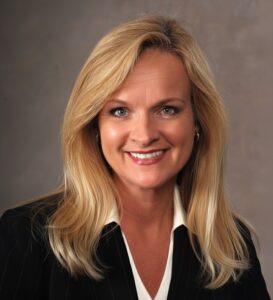
I firmly believe in the power of technology to enhance and change lives. Yes, you can review my LinkedIn profile to learn more about my experiences, education, and training. While that provides a foundation for my work, I am driven daily by my desire to support the quality of life for others.